

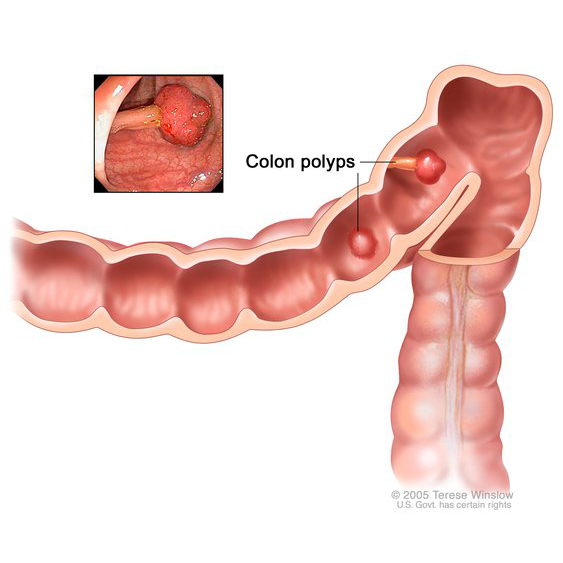
Colon polyps are small growths that form on the inner lining of the large intestine. Most polyps are noncancerous, but some can develop into colorectal cancer over time. Early detection and removal of these polyps are important to prevent complications.
Regular screening through colonoscopy helps identify and remove polyps before they turn harmful. With advanced techniques available today, most colon polyps can be removed without surgery.
Non-Surgical Methods to Remove Colon Polyps
1. Polypectomy During Colonoscopy
The most common and effective non-surgical method performed during a colonoscopy is polypectomy. A colonoscope which is a thin, flexible tube with a camera is inserted into the colon. If polyps are detected, special tools attached to the scope are used to remove them safely. This procedure is minimally invasive, usually done under mild sedation, and allows patients to return home the same day.
2. Endoscopic Mucosal Resection (EMR)
For larger or flat polyps which cannot be removed easily, doctors may perform endoscopic mucosal resection (EMR). During EMR, a liquid is injected beneath the polyp to lift it from the colon wall, which makes removal easier and reduces the risk of bleeding. EMR is also performed using an endoscope and avoids the need for open surgery.
3. Cold Snare or Hot Snare Polypectomy
Depending on the size and type of polyp, specialists may use either a cold snare (without electric current) or a hot snare (with electric current) technique. Both methods are safe, efficient, and performed during the same colonoscopy session.
Advantages of Non-Surgical Polyp Removal
- No hospital staying required
- Faster recovery time
- Minimal discomfort and complications
- Early return to daily activities
- Prevents colorectal cancer development
After polyp removal, patients are monitored for a short period to ensure there are no side effects like minor bleeding or cramps. Most people return to their normal activities within 24 hours. Follow-up colonoscopies are usually recommended every few years to monitor the colon and detect any new polyps early.
If you experience symptoms like rectal bleeding, changes in bowel habits, abdominal pain, or unexplained fatigue, consult a colorectal surgeon in Dubai immediately. Regular screening after age 45, or earlier for those who have family history of colorectal issues is strongly advised.
Most colon polyps can be removed safely and effectively without surgery through advanced endoscopic procedures such as polypectomy or EMR. Getting the best treatment with the help of a Colorectal Surgeon in Dubai ensures accurate diagnosis, safe treatment, and proper care for your digestive health.


