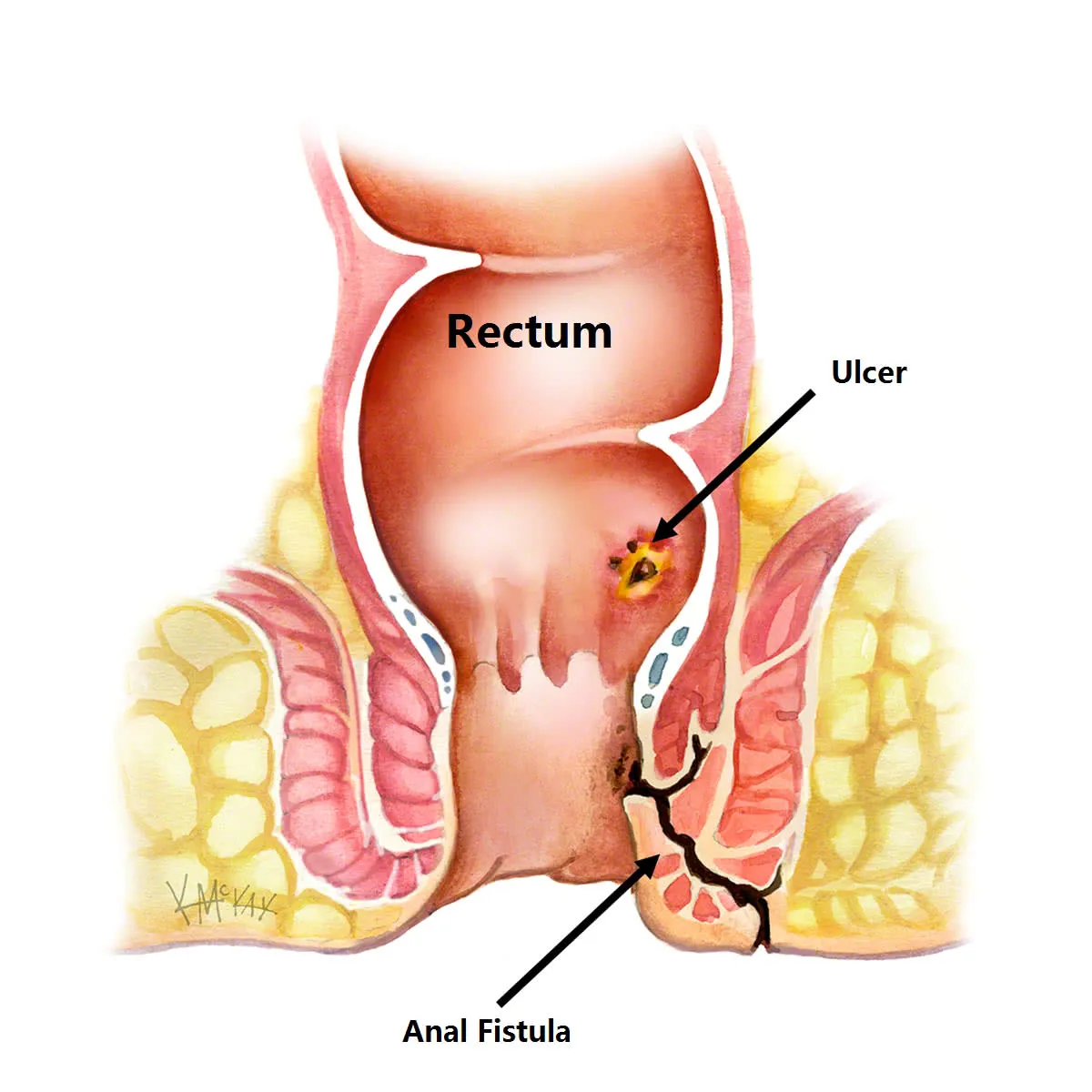
An anal fistula is a small tunnel that forms between the end of the bowel (anal canal) and the skin near the anus. It usually develops due to infection in the anal glands, which leads to an abscess that doesn’t heal completely. Common symptoms include pain, swelling, discharge, and irritation around the anal region. If not treated at the right time, a fistula can cause recurring infections and discomfort.
Diagnosis of Anal Fistula
Accurate diagnosis of Anal Fistula is the first step in effective treatment. A colorectal surgeon in Dubai will do the physical examination and recommend investigations such as:
- MRI fistulogram
- Endoanal ultrasound
- Examination under anesthesia (EUA)
These tests help to identify the type, depth, and complexity of the fistula, accordingly choice of treatment can also be identified.
Best Treatments for Anal Fistula
There is no single treatment. The best treatment for a fistula depends on its type, location, and involvement of the anal sphincter muscles.
Here are the most effective and widely used treatment options available today for Anal Fistula:
1. Fistulotomy
A fistulotomy is one of the most common procedures for treating simple fistulas.
During this procedure, the entire tract is opened and cleaned to allow it to heal from the inside out. It has a high success rate and is often performed as a day procedure under anesthesia. This treatment is suitable for fistulas that do not involve the deeper sphincter muscles.
2. Seton Placement
For complex or high fistulas that pass through the sphincter muscles, a seton which is a thin surgical thread is placed through the tract. The seton helps drain infection and allows gradual healing while preserving muscle control and preventing incontinence. Setons are often used as a temporary measure before performing a definitive surgery.
3. LIFT Procedure (Ligation of Intersphincteric Fistula Tract)
The LIFT technique is a modern, minimally invasive procedure designed to treat fistulas without damaging the sphincter muscles. It involves identifying and closing the internal opening of the fistula, which prevents further infection and promotes healing.
This method offers a faster recovery and minimal risk of complications.
4. Laser Fistula Treatment (FiLaC)
Laser treatment for fistula, known as FiLaC (Fistula-tract Laser Closure), is one of the latest advancements in colorectal surgery. A precise laser fiber is used to seal the fistula tract from the inside, minimizing tissue damage, pain, and downtime.
This option is suitable for patients seeking a minimally invasive fistula treatment in Dubai.
5. Advancement Flap Surgery
In complex or recurrent cases, an advancement flap procedure is recommended.
The surgeon removes the fistula tract and uses healthy tissue from the rectal wall to cover the internal opening, allowing the area to heal.
After fistula treatment, most patients can return to normal activities within a few days, depending on the procedure type. Maintaining good hygiene, following a high fiber diet, and keeping the area clean helps for faster healing. Regular follow-ups with your colorectal surgeon helps for proper recovery and prevents recurrence.
Selecting an experienced colorectal surgeon in Dubai provides accurate diagnosis, the right surgical approach, and best post operative care. Modern hospitals and clinics in Dubai offer advanced technology and minimally invasive options that provide better treatment and healing. The best treatment for a fistula depends on its complexity and the patient’s condition. Options like fistulotomy, LIFT, or laser treatment (FiLaC) offer high success rates with faster recovery and less pain. Consulting the best colorectal surgeon in Dubai will help you choose the most effective, safe, and personalized treatment for lasting relief and improved quality.


