

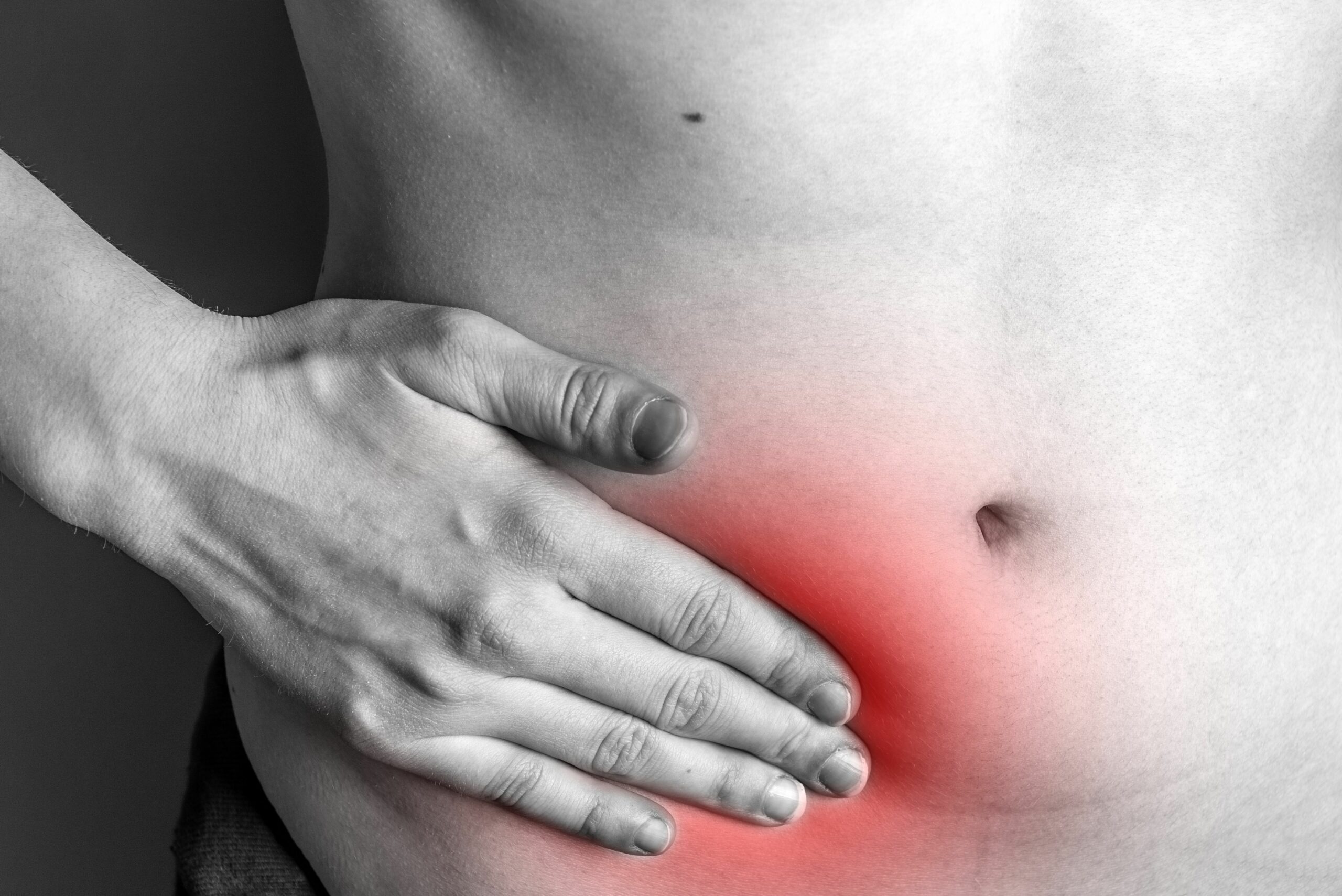
Hernia occurs when an internal organ or tissue pushes through a weak spot in the surrounding muscle or connective tissue. It appears as a visible bulge and may cause discomfort, especially when lifting, bending, or coughing. While hernia surgery in Dubai is the most effective and long term solution, many people wonder if there are ways to manage or reduce symptoms without undergoing surgery.
Before explaining non-surgical options, it’s important to understand what causes a hernia.
A hernia usually develops due to:
- Weakness in the abdominal wall
- Strain from heavy lifting
- Chronic coughing or constipation
- Obesity or pregnancy,
These factors increase pressure inside the abdomen, pushing organs through weak spots.
Can a Hernia Heal Without Surgery?
Unfortunately, once a hernia forms, it does not heal on its own. The opening in the muscle wall doesn’t close naturally. However, certain lifestyle changes and preventive steps can help to reduce discomfort and prevent the hernia from worsening.
If you have a small hernia and your doctor advises that surgery is not necessary, these non-surgical approaches can help you to manage symptoms.
Non-Surgical Ways to Manage a Hernia
1. Maintain a Healthy Weight
Excess body weight puts pressure on the abdominal muscles, worsening the hernia. Adopting a balanced diet and regular exercise (under medical supervision) can reduce strain and ease symptoms.
2. Avoid Heavy Lifting
Lifting heavy objects can increase abdominal pressure, causing the hernia to enlarge or become painful. If lifting is unavoidable, use correct techniques — bend your knees, not your waist.
3. Eat Smaller, Frequent Meals
Large meals can increase intra-abdominal pressure, especially in cases of hiatal hernia. Eating smaller portions helps reduce discomfort and acid reflux.
4. Treat Constipation
Straining during bowel movements can worsen hernias. Include fiber-rich foods like fruits, vegetables, and whole grains in your diet, and drink plenty of water.
5. Use a Hernia Belt or Support Garment (if advised)
In some cases, a doctor may recommend a hernia belt or truss. This device provides gentle pressure to hold the hernia in place. However, this is only a temporary solution and not a substitute for hernia surgery.
When to Consider Hernia Surgery in Dubai ?
While these non-surgical methods can help manage discomfort, they do not repair the hernia. Over time, hernias tend to grow and may cause complications like strangulation, which can be life-threatening.
If you notice any of the following, it’s time to consult a specialist for hernia surgery in Dubai:
- Sudden pain or tenderness at the hernia site
- Nausea or vomiting
- Swelling that doesn’t go away
- Difficulty in passing stools or gas
Surgery offers a permanent solution, closing the muscle gap and preventing recurrence. In Dubai, advanced laparoscopic and robotic techniques allow faster recovery and
If you’re experiencing persistent pain or swelling, it’s best to consult an experienced hernia specialist in Dubai who can assess your condition and recommend the most suitable treatment plan.
At Gastro Surgeon UAE, we provide personalized care using advanced techniques for hernia surgery in Dubai, ensuring faster recovery and long-term relief.


